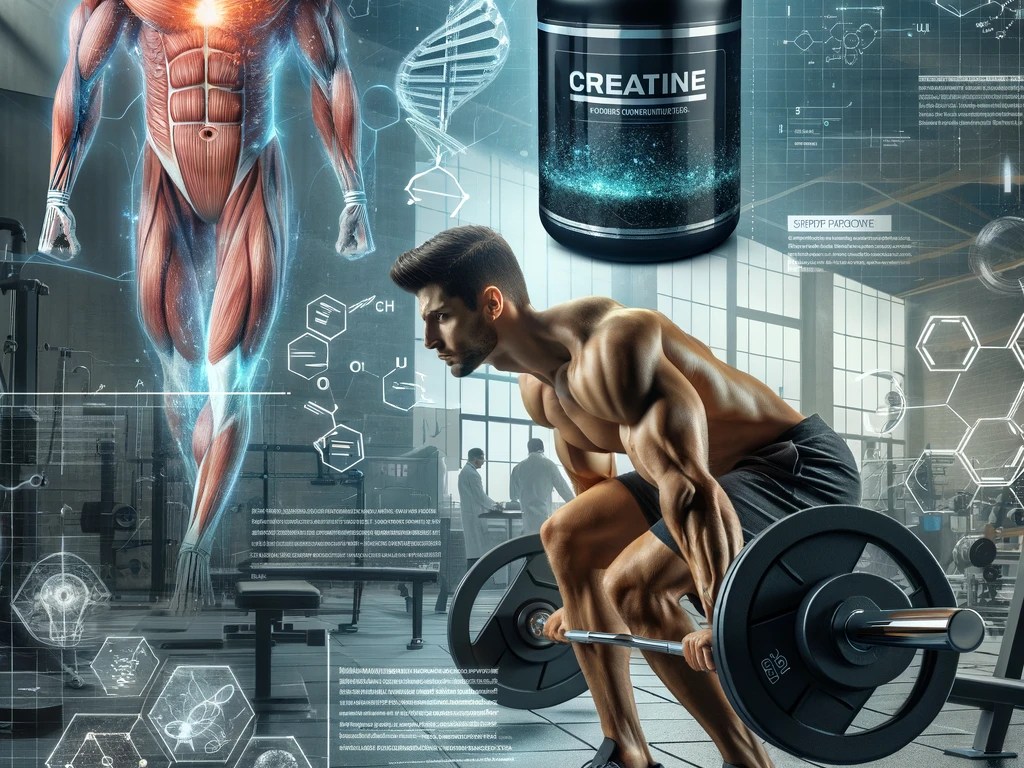
Creatine supplementation has long been a staple in the regimens of bodybuilders and athletes seeking to enhance performance, build muscle, and improve recovery. Recent research continues to shed light on the benefits and potential new applications of this powerful supplement. In this blog post, we’ll explore the latest findings on creatine supplementation, its benefits, and how it can be optimized for athletic performance.
What is Creatine?
Creatine is a naturally occurring compound found in small amounts in certain foods and synthesized by the body from amino acids. It is primarily stored in muscles as phosphocreatine and used to produce adenosine triphosphate (ATP), the primary energy carrier in cells, during high-intensity, short-duration exercises such as weightlifting and sprinting.
Benefits of Creatine Supplementation
- Increased Muscle Mass: One of the most well-documented benefits of creatine is its ability to enhance muscle mass. Creatine increases water content in muscle cells, promoting muscle fiber growth and increasing muscle mass over time.
- Enhanced Strength and Power: Creatine supplementation has been shown to improve strength and power output during high-intensity activities. This makes it a popular choice among bodybuilders and athletes who require bursts of energy and strength.
- Improved Recovery: Recent studies suggest that creatine may help reduce muscle damage and inflammation following intense exercise, leading to quicker recovery times and less muscle soreness.
- Cognitive Benefits: Emerging research indicates that creatine may have cognitive benefits, including improved memory and mental fatigue resistance. This is particularly relevant for athletes engaged in sports requiring quick thinking and decision-making.
Latest Research and Developments
- Timing and Dosage: Traditional creatine supplementation involves a loading phase (20 grams per day for 5-7 days) followed by a maintenance phase (3-5 grams per day). However, recent studies suggest that smaller daily doses (3-5 grams) without a loading phase can also be effective, providing a more convenient and sustainable option.
- Creatine HCL vs. Monohydrate: While creatine monohydrate remains the gold standard, creatine hydrochloride (HCL) is gaining popularity due to its purported better solubility and absorption. Studies comparing the two forms are ongoing, but early results suggest that both are effective, with HCL potentially offering advantages in reducing gastrointestinal discomfort.
- Creatine and Endurance Training: Traditionally associated with short-duration, high-intensity exercise, creatine is now being studied for its potential benefits in endurance training. Preliminary findings suggest that creatine may help improve endurance performance by enhancing glycogen storage and reducing exercise-induced fatigue.
- Health Benefits Beyond Performance: Research is expanding into the potential health benefits of creatine supplementation beyond athletic performance. Studies are exploring its role in managing neurological diseases, improving bone health, and supporting metabolic health in aging populations.
Practical Tips for Creatine Supplementation
- Choose the Right Form: While creatine monohydrate is the most researched and cost-effective form, those experiencing gastrointestinal issues might consider trying creatine HCL.
- Consistent Intake: For optimal results, consistency is key. Aim for a daily dose of 3-5 grams, ideally taken at the same time each day, whether it’s before or after workouts.
- Stay Hydrated: Creatine increases water retention in muscles, so it’s important to stay well-hydrated to avoid dehydration and maximize its benefits.
- Combine with Carbohydrates: Taking creatine with carbohydrates can enhance its uptake into muscles, potentially improving its effectiveness.
Conclusion
Creatine remains a powerful supplement for bodybuilders and athletes, with ongoing research continuing to unveil new benefits and applications. Whether you’re looking to increase muscle mass, enhance strength, or improve recovery, creatine supplementation can be a valuable addition to your training regimen. Stay informed about the latest developments to make the most of this versatile supplement and achieve your fitness goals.
Stay tuned to the Sports Science Journal for more updates on the latest research and practical tips for optimizing your athletic performance!

