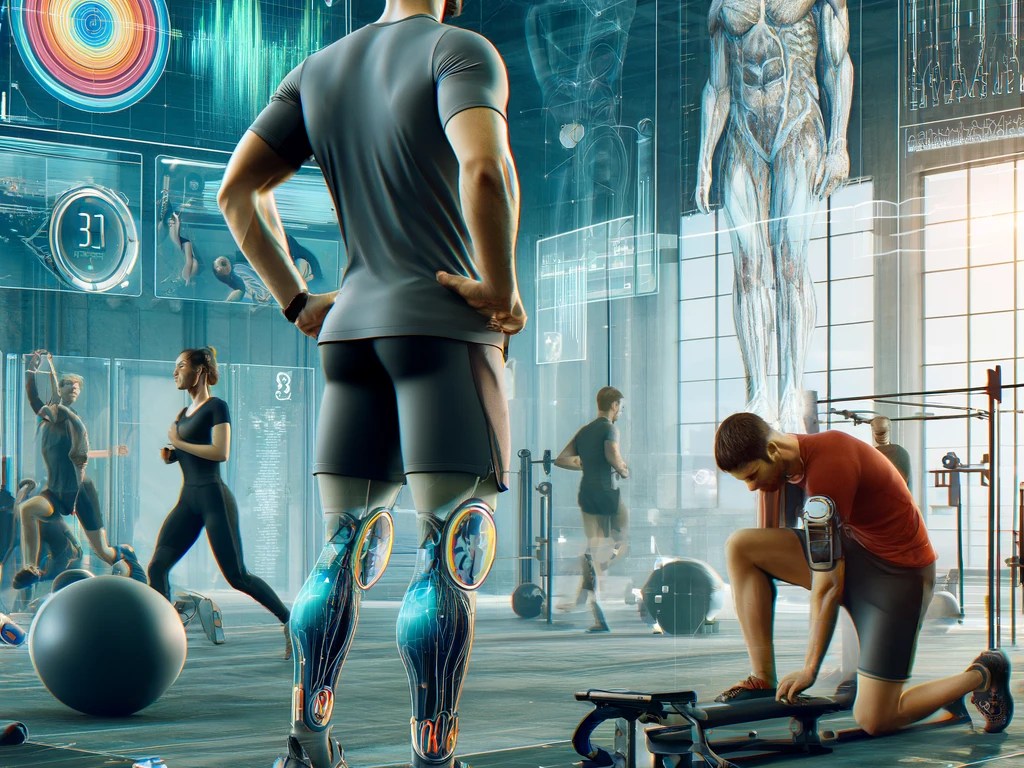
In the ever-evolving world of sports science, athletes and coaches are constantly seeking innovative training methods to gain a competitive edge. Traditional training techniques are being supplemented and, in some cases, replaced by cutting-edge approaches that promise enhanced performance, reduced injury risk, and faster recovery. This blog post explores some of the most groundbreaking training techniques currently making waves in the sports science community.
Blood Flow Restriction (BFR) Training
Blood Flow Restriction (BFR) training involves performing low-intensity exercises while restricting blood flow to the muscles using bands or cuffs. This technique has been shown to stimulate muscle growth and strength gains similar to high-intensity training, but with less stress on the joints.
Benefits:
- Enhanced muscle hypertrophy and strength
- Reduced risk of injury due to lower training loads
- Accelerated recovery from injuries
Practical Application: Athletes recovering from injuries or looking to add variety to their training can incorporate BFR training into their routine, particularly during rehabilitation or deloading phases.
Velocity-Based Training (VBT)
Velocity-Based Training (VBT) uses technology to measure the speed of each lift, providing real-time feedback to optimize training intensity. By focusing on bar speed, athletes can ensure they are training at the optimal intensity for their specific goals, whether it’s power, strength, or endurance.
Benefits:
- Personalized training intensity
- Improved power and strength development
- Enhanced monitoring and adjustment of training loads
Practical Application: Using devices like linear position transducers or wearable sensors, athletes can track their lifting velocity and adjust their training loads accordingly to maximize performance and minimize fatigue.
Eccentric Overload Training
Eccentric Overload Training emphasizes the lengthening phase of muscle contractions, which is often where the greatest muscle damage and growth stimulus occur. This technique involves using heavier weights during the eccentric (lowering) phase of an exercise.
Benefits:
- Increased muscle hypertrophy and strength
- Improved tendon and ligament resilience
- Enhanced neuromuscular adaptations
Practical Application: Athletes can incorporate eccentric overload training by using equipment like flywheels, negative-only repetitions, or weight-release devices to focus on the eccentric phase of lifts.
Functional Movement Screening (FMS)
Functional Movement Screening (FMS) is a systematic approach to identifying movement patterns and potential dysfunctions in athletes. By assessing mobility, stability, and functional movements, FMS helps prevent injuries and optimize training programs.
Benefits:
- Injury prevention through early detection of movement dysfunctions
- Customized training programs based on individual movement patterns
- Enhanced overall athletic performance
Practical Application: Trainers and coaches can use FMS assessments to identify weaknesses and imbalances in athletes, creating personalized corrective exercise programs to address these issues.
High-Intensity Interval Training (HIIT) with Variable Resistance
High-Intensity Interval Training (HIIT) with Variable Resistance involves short bursts of intense exercise followed by brief rest periods, combined with varying resistance levels. This method maximizes cardiovascular fitness, muscular endurance, and metabolic rate.
Benefits:
- Improved cardiovascular fitness and endurance
- Increased calorie burn and fat loss
- Enhanced muscle strength and endurance
Practical Application: Athletes can incorporate HIIT with Variable Resistance using equipment like resistance bands, adjustable dumbbells, or weight machines to vary the resistance during high-intensity intervals.
Neuromuscular Electrical Stimulation (NMES)
Neuromuscular Electrical Stimulation (NMES) uses electrical impulses to stimulate muscle contractions, enhancing muscle strength, endurance, and recovery. This technique is particularly useful for rehabilitation and as a supplementary training method.
Benefits:
- Accelerated muscle recovery and rehabilitation
- Enhanced muscle strength and endurance
- Improved neuromuscular coordination
Practical Application: Athletes recovering from injuries or looking to supplement their training can use NMES devices to target specific muscle groups, enhancing muscle activation and recovery.
Conclusion
Cutting-edge training techniques are revolutionizing the way athletes train, offering new ways to enhance performance, prevent injuries, and accelerate recovery. By staying informed about the latest developments in sports science and incorporating these innovative methods into their training regimens, athletes can achieve new levels of success and push the boundaries of their potential.
Stay tuned to the Sports Science Journal for more insights and updates on the latest advancements in athletic training and performance optimization!

