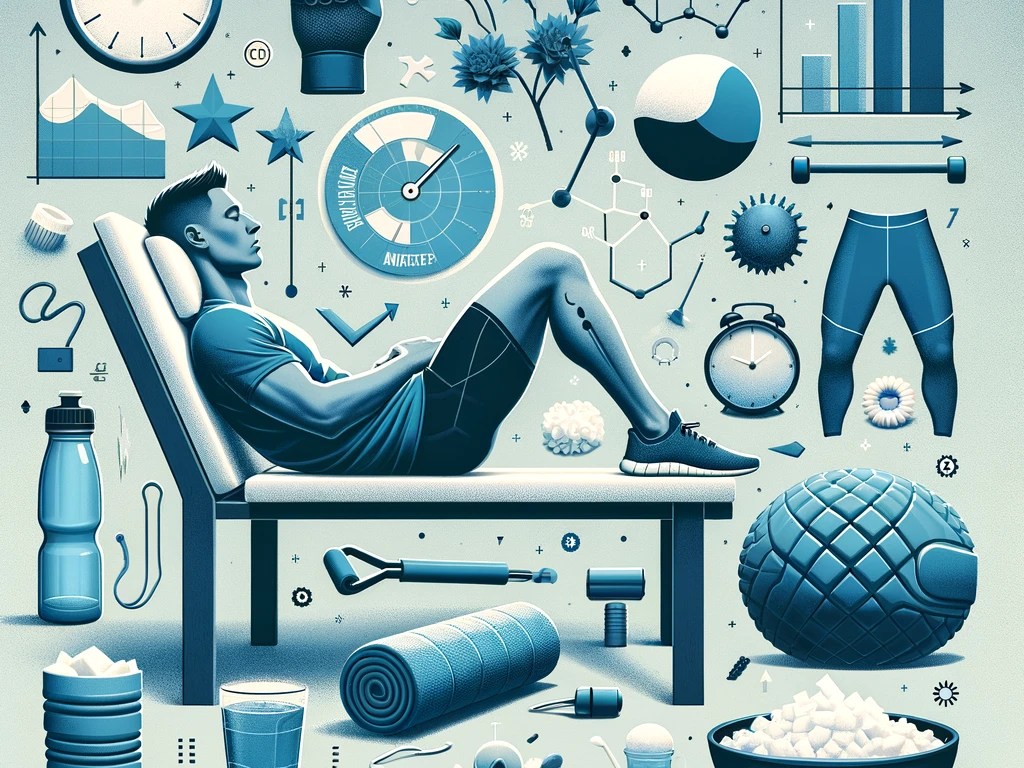
In the pursuit of peak athletic performance, the focus often lies on intense training and skill development. However, an equally important, yet sometimes overlooked, aspect of athletic success is recovery. Effective recovery strategies can enhance performance, prevent injuries, and promote long-term health. This blog post delves into the science of recovery, exploring the physiological processes involved, the latest research, and practical tips for athletes to optimize their recovery.
Understanding the Recovery Process
Recovery is the process by which the body restores itself to a state of balance and readiness after physical exertion. It involves several key physiological processes:
- Muscle Repair and Growth
- Intense exercise causes microscopic damage to muscle fibers. The body repairs these fibers during recovery, leading to muscle growth (hypertrophy) and increased strength.
- Energy Replenishment
- Physical activity depletes glycogen stores in muscles. During recovery, the body replenishes these stores, ensuring energy availability for future workouts.
- Removal of Metabolic Byproducts
- Exercise produces metabolic byproducts such as lactic acid. Effective recovery helps clear these byproducts, reducing muscle soreness and fatigue.
- Nervous System Recovery
- Intense training can stress the nervous system. Adequate recovery allows the nervous system to reset and function optimally, maintaining coordination and performance.
Key Components of Effective Recovery
- Sleep
- Sleep is crucial for overall health and athletic recovery. During deep sleep, the body releases growth hormone, which is essential for muscle repair and growth. Aim for 7-9 hours of quality sleep per night.
- Nutrition
- Proper nutrition supports recovery by providing the necessary building blocks for muscle repair and energy replenishment. Focus on a balanced diet rich in protein, carbohydrates, and healthy fats.
- Hydration
- Staying hydrated is essential for muscle function and recovery. Water supports metabolic processes and helps transport nutrients to cells.
- Active Recovery
- Low-intensity activities such as walking, cycling, or yoga can promote blood flow and help clear metabolic byproducts, aiding in faster recovery.
- Stretching and Mobility
- Incorporating stretching and mobility exercises can improve flexibility, reduce muscle stiffness, and prevent injuries.
- Massage and Foam Rolling
- Techniques like massage and foam rolling can help release muscle tension, improve blood flow, and reduce soreness.
- Cold and Heat Therapy
- Alternating cold and heat therapy can reduce inflammation and promote muscle relaxation. Ice baths, contrast showers, and heating pads are popular methods.
Latest Research and Innovations in Recovery
- Cryotherapy
- Whole-body cryotherapy involves exposing the body to extremely cold temperatures for short periods. Research suggests it can reduce inflammation, alleviate pain, and accelerate muscle recovery.
- Compression Therapy
- Compression garments and devices improve blood circulation and reduce muscle soreness. Studies indicate that compression therapy can enhance recovery and performance.
- Electrical Stimulation
- Neuromuscular electrical stimulation (NMES) uses electrical impulses to stimulate muscle contractions. It can aid in muscle recovery, strength maintenance, and injury rehabilitation.
- Sleep Optimization Technology
- Wearable devices and apps that track sleep patterns can help athletes optimize their sleep quality and recovery. These technologies provide insights into sleep duration, quality, and disturbances.
- Nutritional Supplements
- Supplements such as branched-chain amino acids (BCAAs), omega-3 fatty acids, and antioxidants can support recovery by reducing muscle soreness and inflammation.
Practical Tips for Athletes
- Prioritize Rest and Recovery
- Schedule regular rest days and recovery periods in your training plan. Listen to your body and allow it to recover fully before pushing hard again.
- Create a Sleep-Friendly Environment
- Optimize your sleep environment by keeping your bedroom cool, dark, and quiet. Establish a consistent sleep routine to improve sleep quality.
- Fuel Your Body Properly
- Consume a post-workout meal or snack that includes protein and carbohydrates to support muscle repair and glycogen replenishment.
- Stay Hydrated
- Drink water throughout the day and replenish fluids lost during exercise. Consider electrolyte drinks if you engage in prolonged or intense activities.
- Incorporate Active Recovery
- Include light activities such as walking or yoga on rest days to promote blood flow and reduce stiffness.
Conclusion
Recovery is a critical component of athletic performance and overall health. By understanding the science of recovery and implementing effective strategies, athletes can enhance their performance, prevent injuries, and promote long-term well-being. Stay informed about the latest research and innovations to continually optimize your recovery routine.
Stay tuned to the Sports Science Journal for more insights and practical tips on enhancing athletic performance through effective recovery strategies!

